
Venezia
With the recent—and controversial—Bezos wedding once again putting Venice in the news, I was reminded of a weekend trip I took to the “floating city” back in 2012.
I had traveled to Italy for work and spent most of my time in Vicenza, but I managed a brief escape to Venice for the weekend before returning home. My late-February visit coincided with the beginning of Carnival, which gave me the opportunity to photograph some of the characters and people that make this iconic festival so compelling. I also spent my days walking, wandering, and exploring both the heart of the city and its quieter fringes.
Digging through my archives recently, I pulled together a small selection of images from that trip. The memories remain vivid, and revisiting them has only reinforced my hope of returning someday—to wander Venice’s canals, cross its bridges, and experience its unique energy once again.
February 2012, images/text: Martin Fernandez
Venice had long been on my bucket list, and I was fortunate to finally visit the City of Masks in late February of 2012. The city is built across more than 100 islands, connected by over 150 canals and nearly 450 bridges—a layout unlike anywhere else in the world.
Once a powerful maritime republic and a major center of trade and art during the Middle Ages and the Renaissance, Venice’s history is etched into its architecture. From grand palazzos to modest residential buildings, the past feels ever-present as you move through the city.
Visiting in February turned out to be ideal. The colder weather kept crowds at bay and gave the city a quieter, more contemplative feel. While the air was damp and chilly, the atmosphere was unforgettable—one that invited long walks, observation, and reflection. I’m very much looking forward to returning to this remarkable Italian city.
Below are a selection of images captured during my daily walks, highlighting Venice’s canals, bridges, people, and neighborhoods.
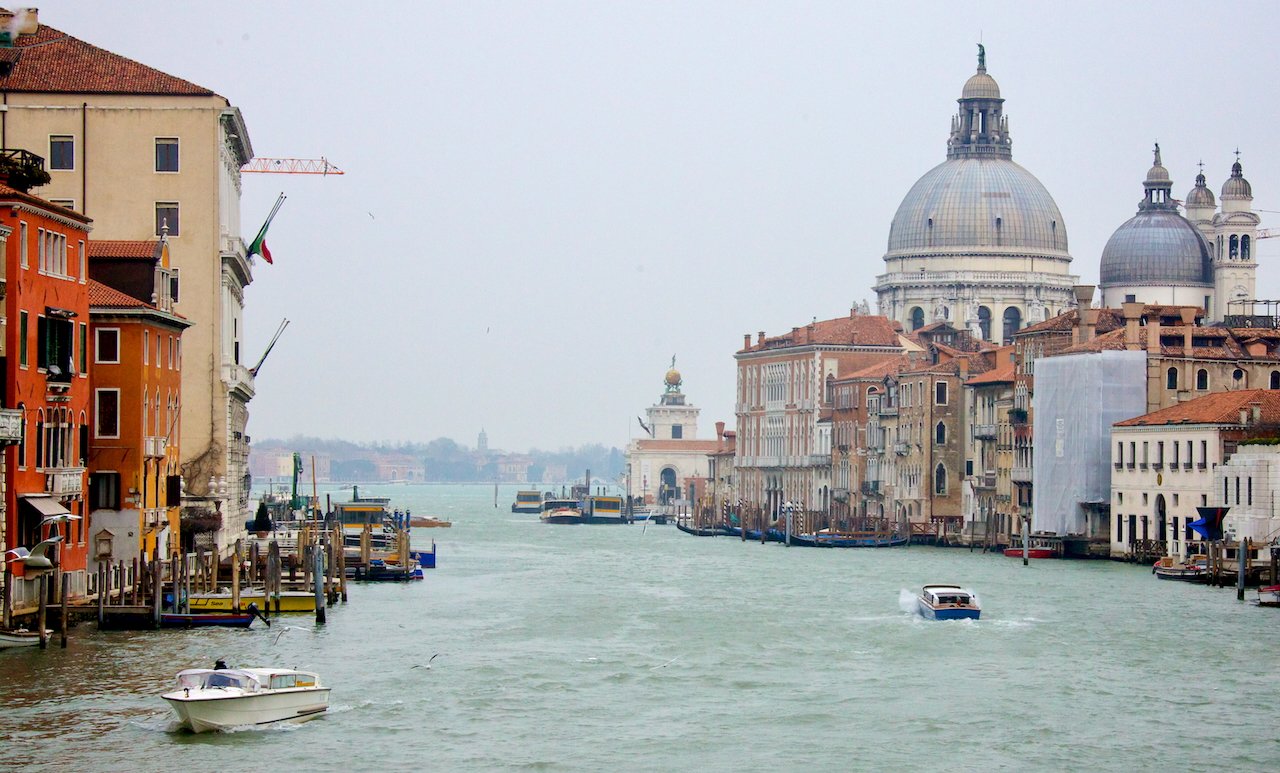
ABOVE: The entrance to the Grand Canal, Venice’s main artery.
Venetian Canals
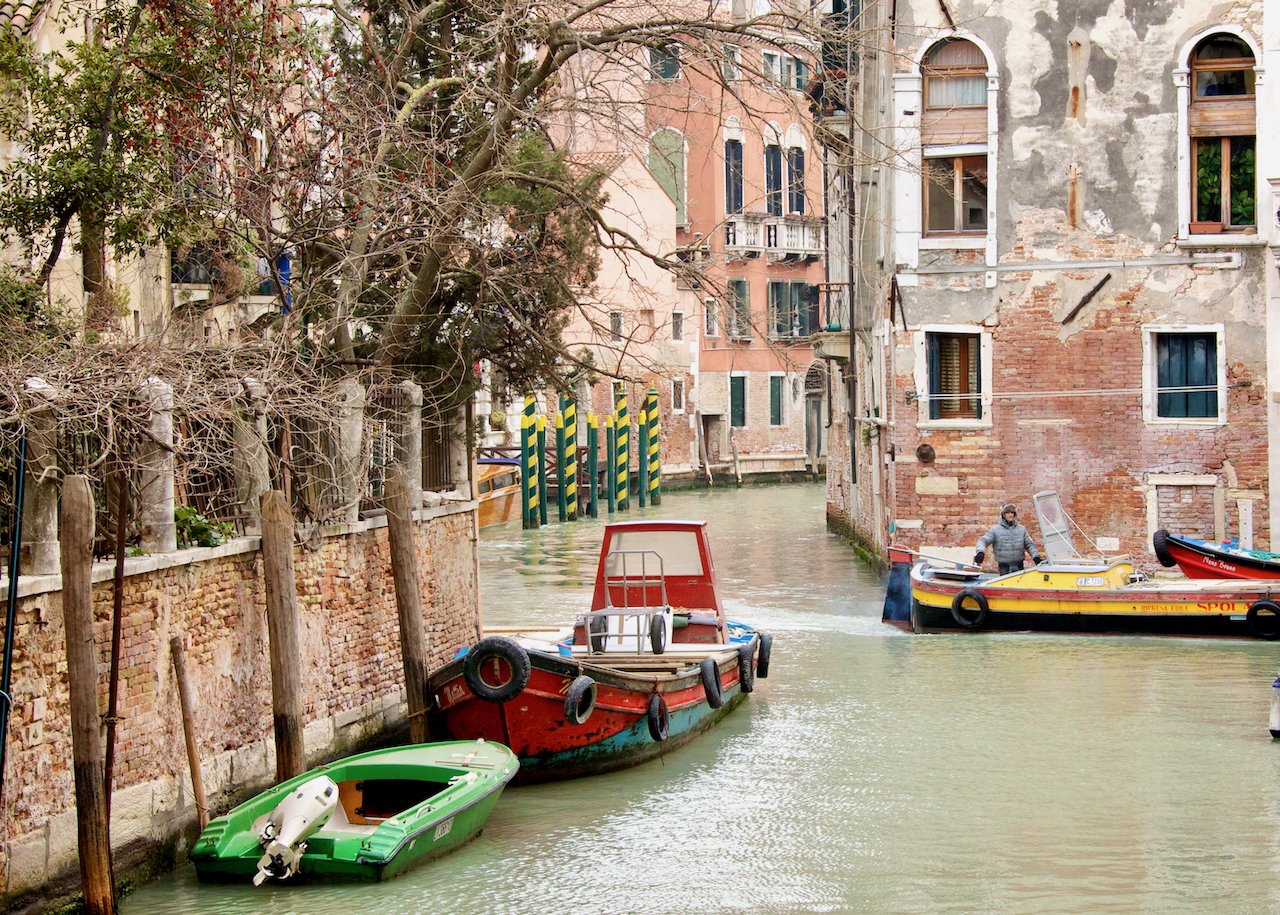
Venice’s canals are the lifeblood of the city. The Grand Canal winds through the heart of Venice in a sweeping reverse “S,” lined with historic palaces, churches, and bustling markets. I experienced it aboard a vaporetto—Venice’s public water bus—which offers a uniquely local perspective on the city.
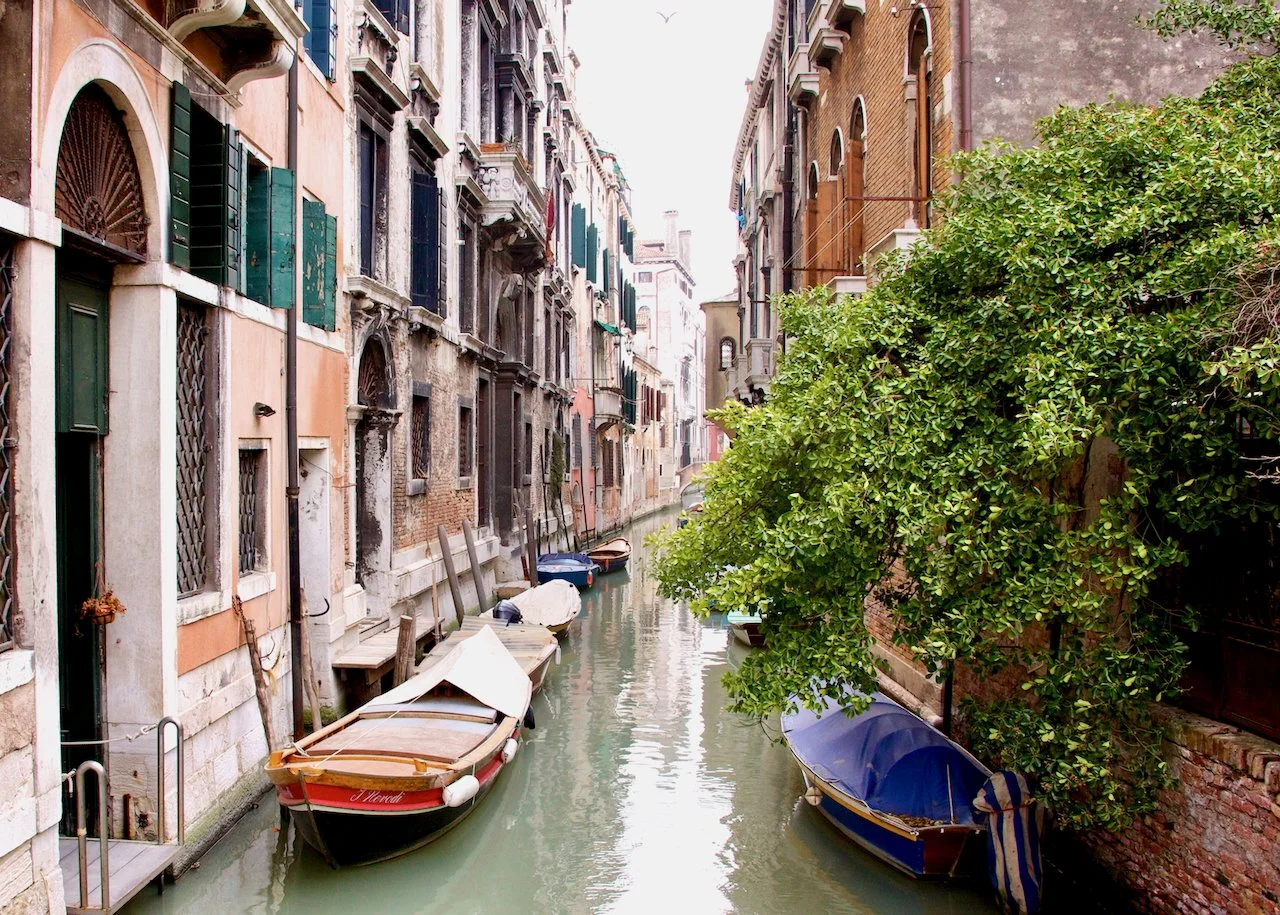
The canals weave through Venice’s islands, serving as streets for boats rather than cars. They offer a constant glimpse into the city’s past, reflecting centuries of Venetian life and commerce.


Venetian Bridges
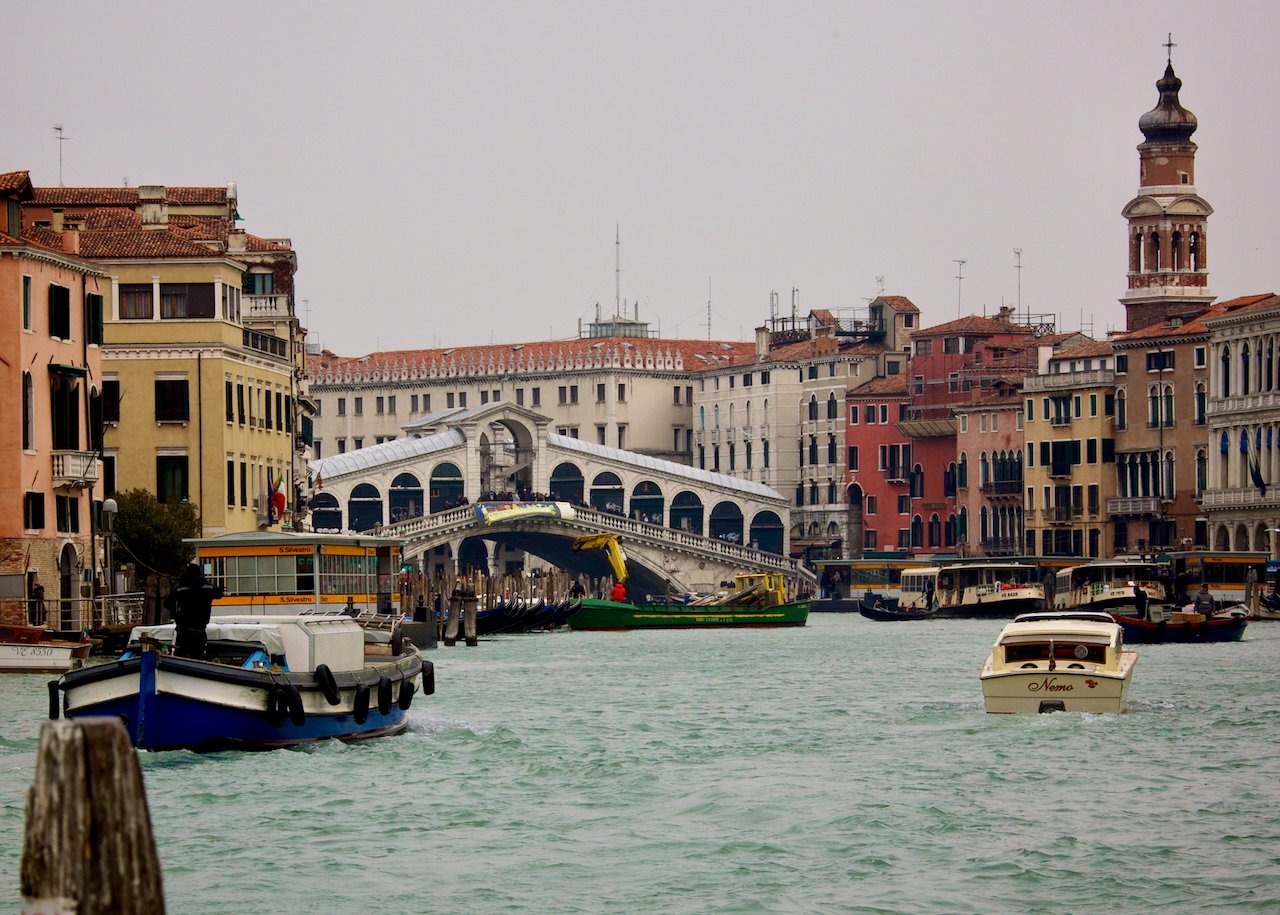
Venice’s bridges are essential for anyone exploring the city on foot. Nearly 450 bridges span more than 150 canals, connecting the islands that make up the city. They range from simple stone footbridges to architectural landmarks like the Ponte di Rialto, each carrying both people and history across the water.
From many of these crossings, you’re rewarded with postcard-worthy views of canals, boats, and centuries-old buildings.

BELOW: A view of the Ponte di Rialto, one of the most iconic and historic landmarks in Venice. The Ponte di Rialto, which connects the San Marco and San Polo districts, is the oldest fo the four bridges that span the Gran Canal. Completed in 1591, the Ponte di Rialto is more than just a rbdige, it also houses several small shops along the central walkway.
Venetian Gondolas
Gondolas have become one of Venice’s most recognizable symbols. Once a primary mode of transportation for residents, they are now largely reserved for visitors. A gondola ride offers a slower, more intimate view of the city’s canals and historic architecture—quietly drifting through spaces best seen from the water.
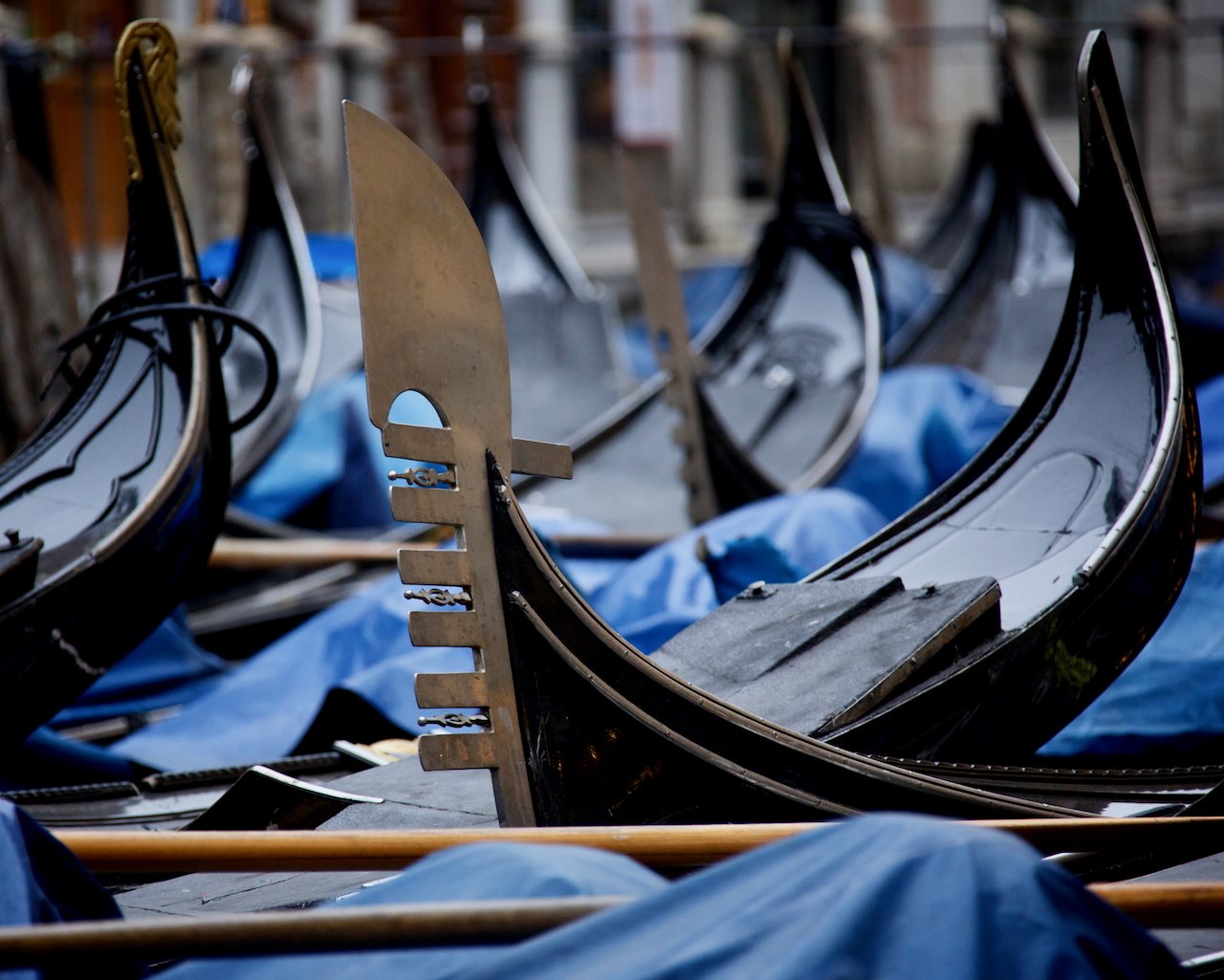
ABOVE: Most Venetian gondolas are richly decorated with symbolic and traditional elements that reflect the city’s history. One of the most distinctive features is the ferro, an elegant metal ornament at the front fo the gondola shaped like an “S” that represents the Grand Canal. The ferro is topped with six forward-facing prongs that represent the city’s six sestieri (districts).

Carnival
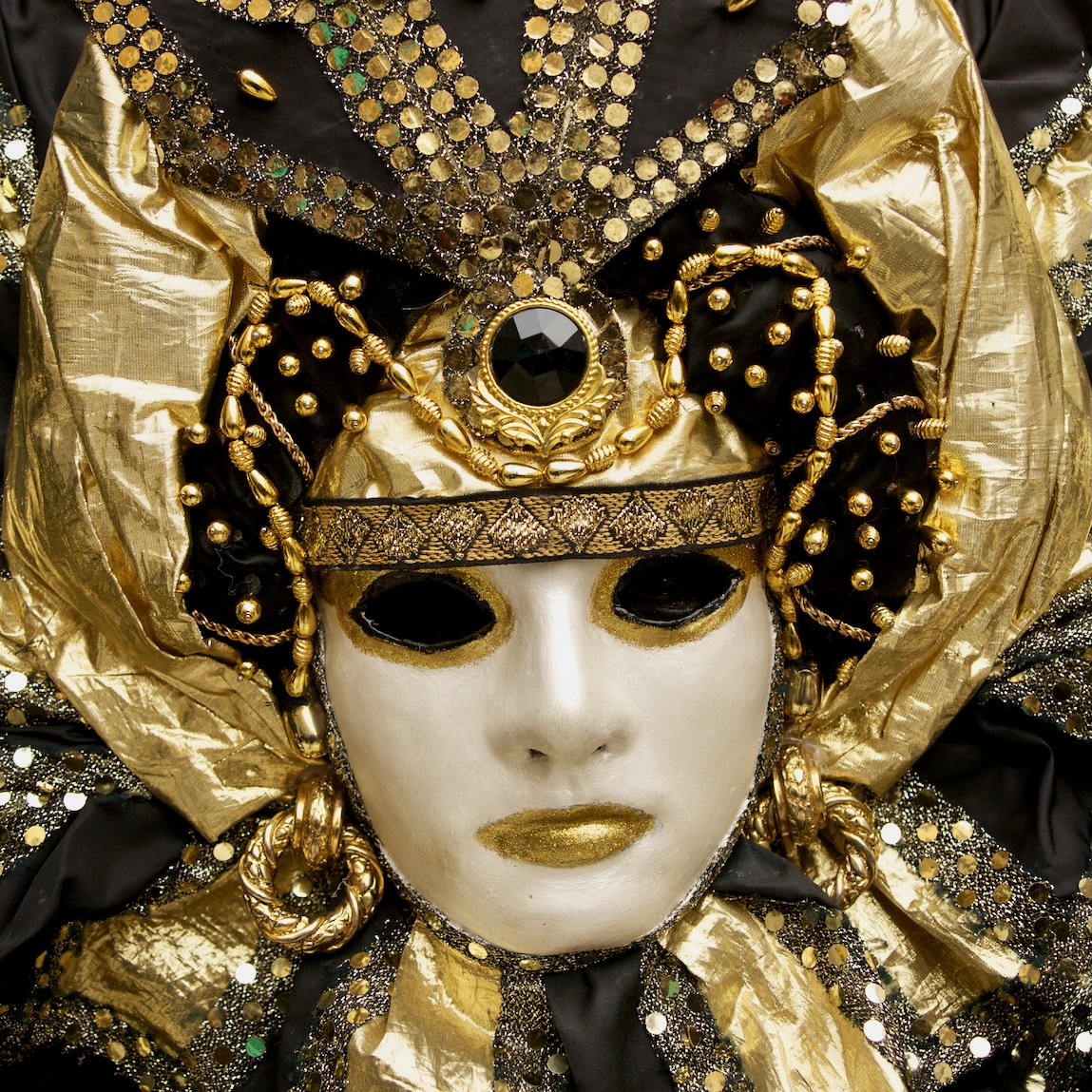
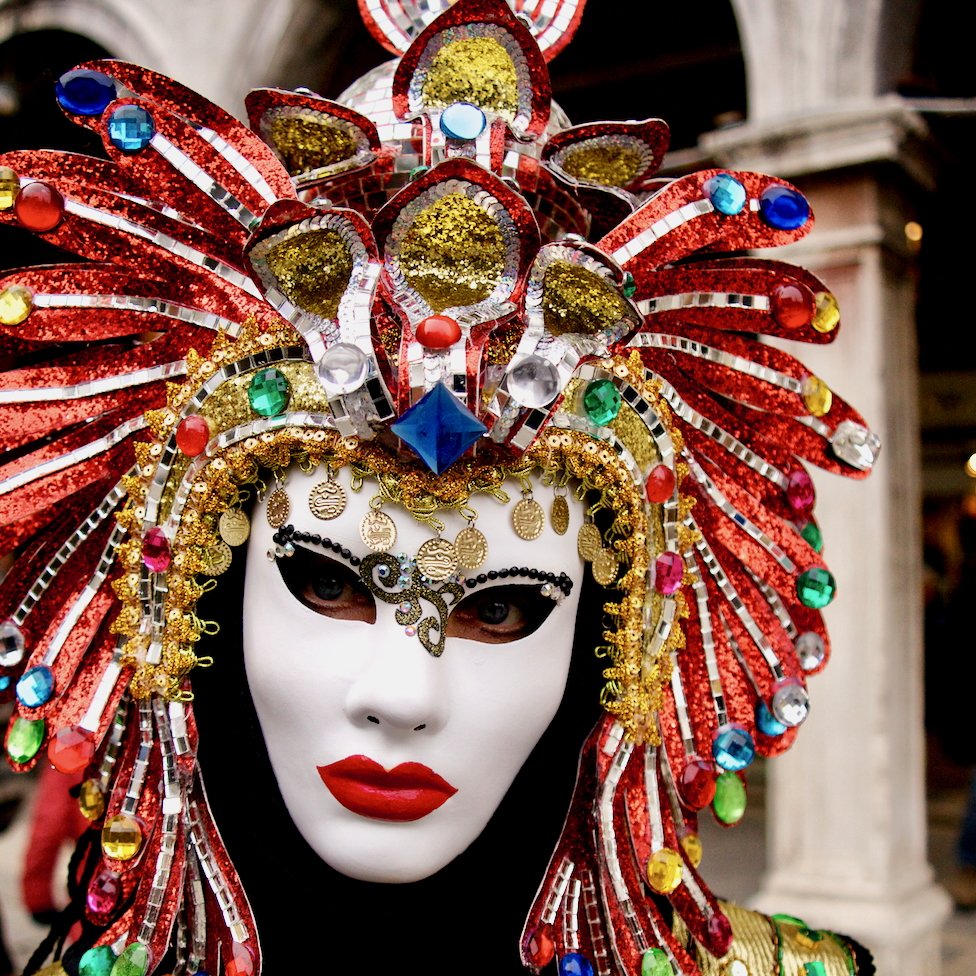
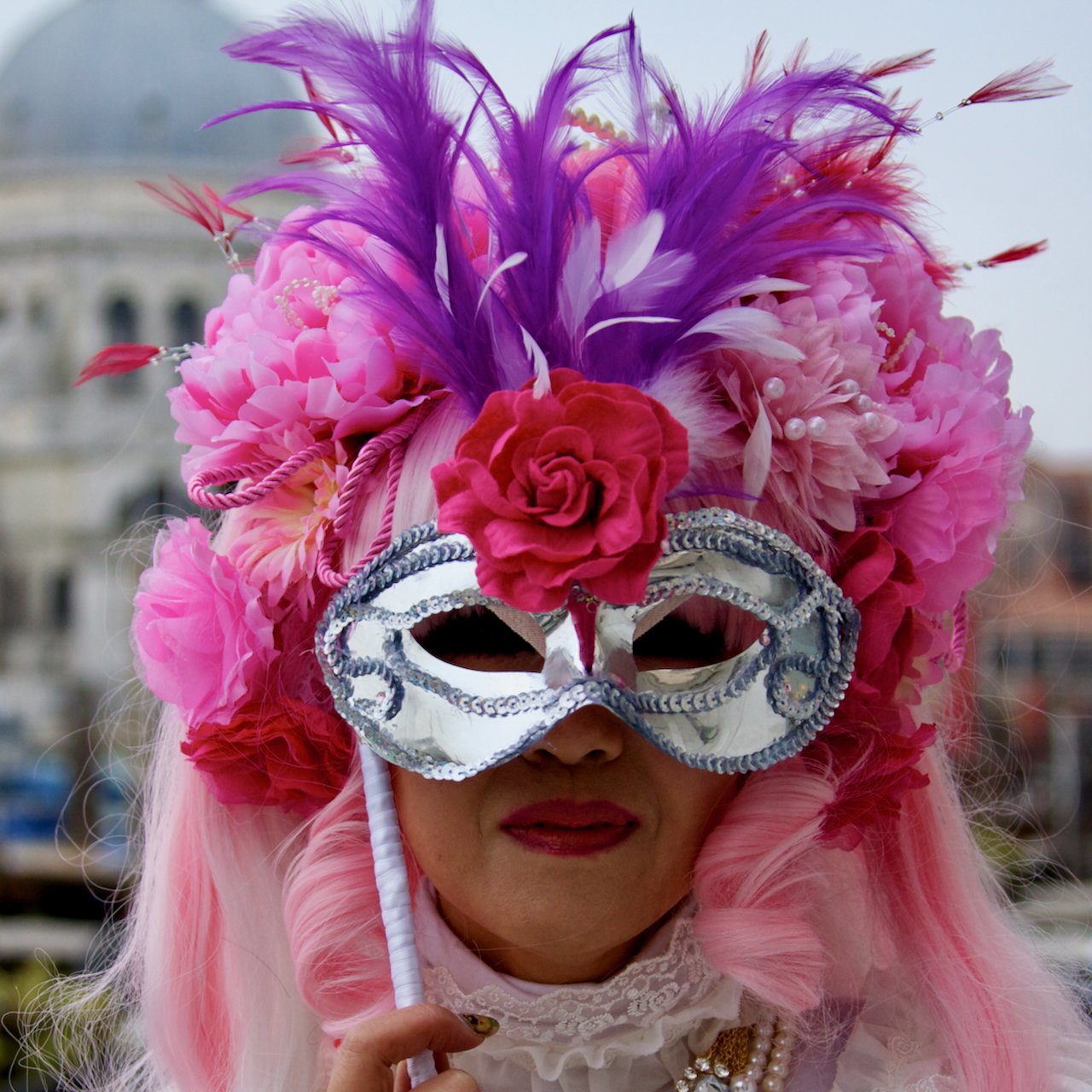
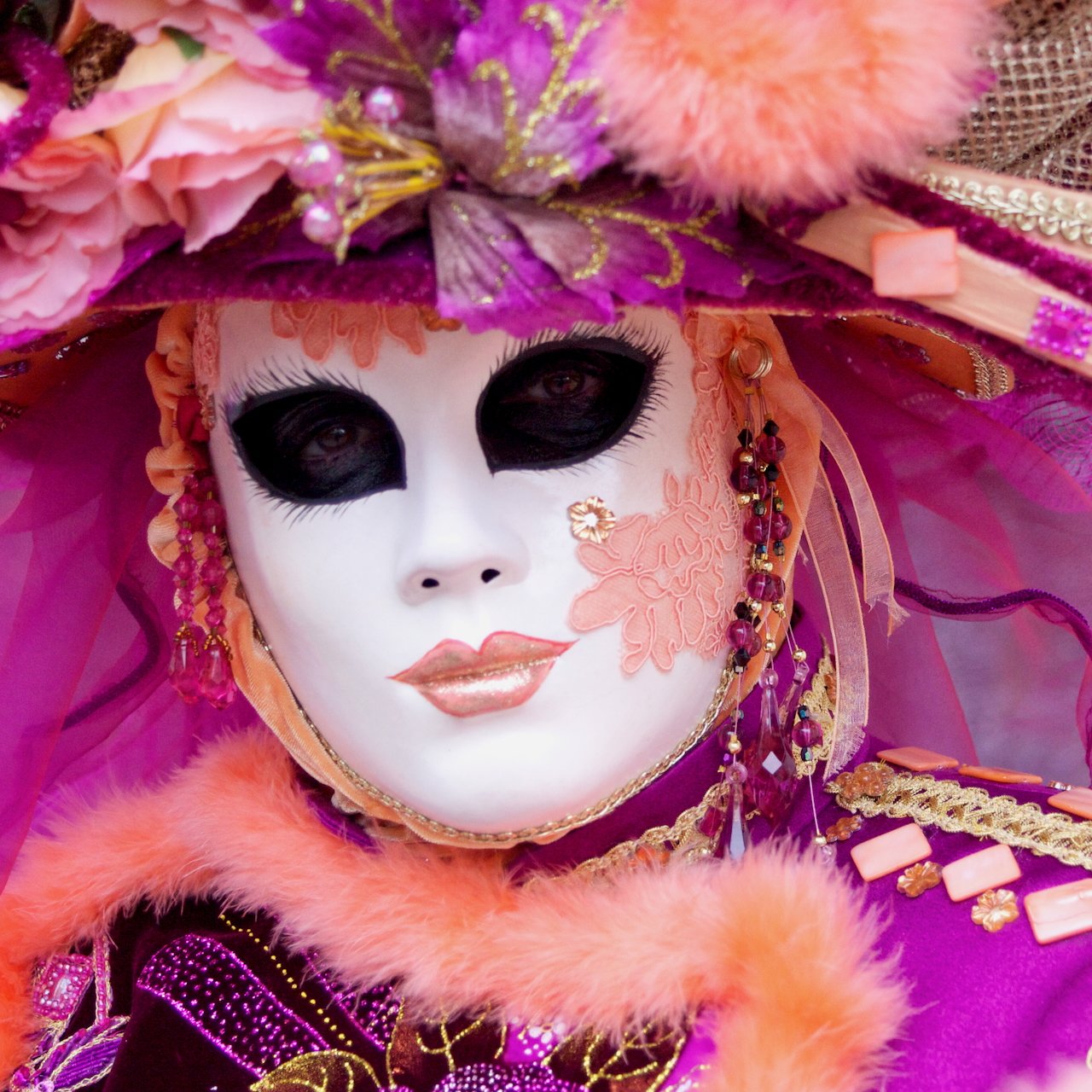
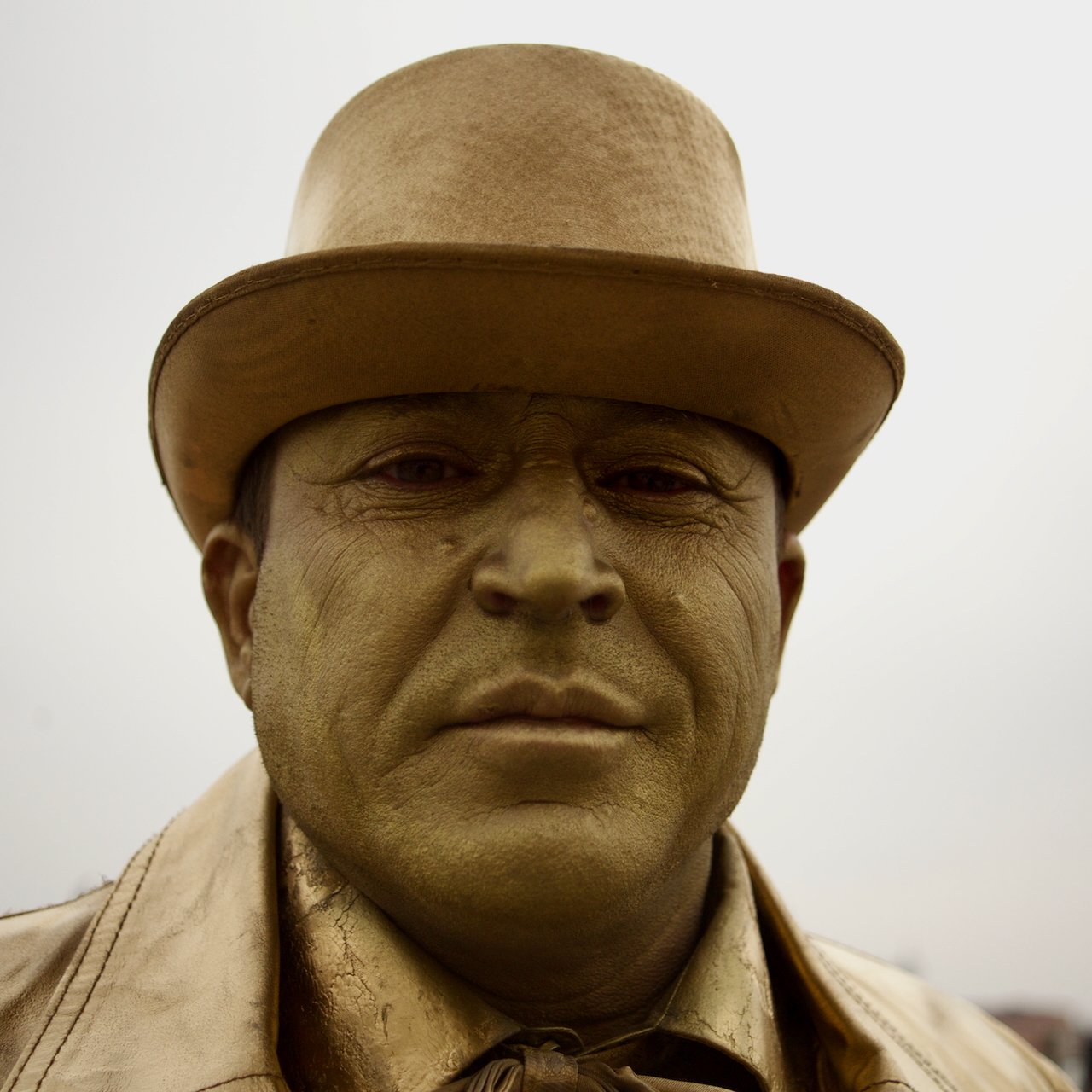
I was fortunate that my visit coincided with the start of Carnival in Venice. The world-famous celebration is known for its elaborate masks and costumes, transforming the city into a moving stage of color and character.
Held in the weeks leading up to Lent, Carnival draws visitors from around the world and includes parades, masked balls, and cultural events scattered throughout the city. Experiencing even the opening days of the festival added a layer of energy and mystery to the trip.

Venetian Streets and People
One of Venice’s greatest charms is the absence of cars. Its narrow streets, bridges, and canals are made for exploring on foot. The city’s compact layout is full of hidden corners and quiet moments, making wandering without a plan endlessly rewarding.
It’s in these smaller spaces—away from the main thoroughfares—where Venice often reveals itself most clearly.

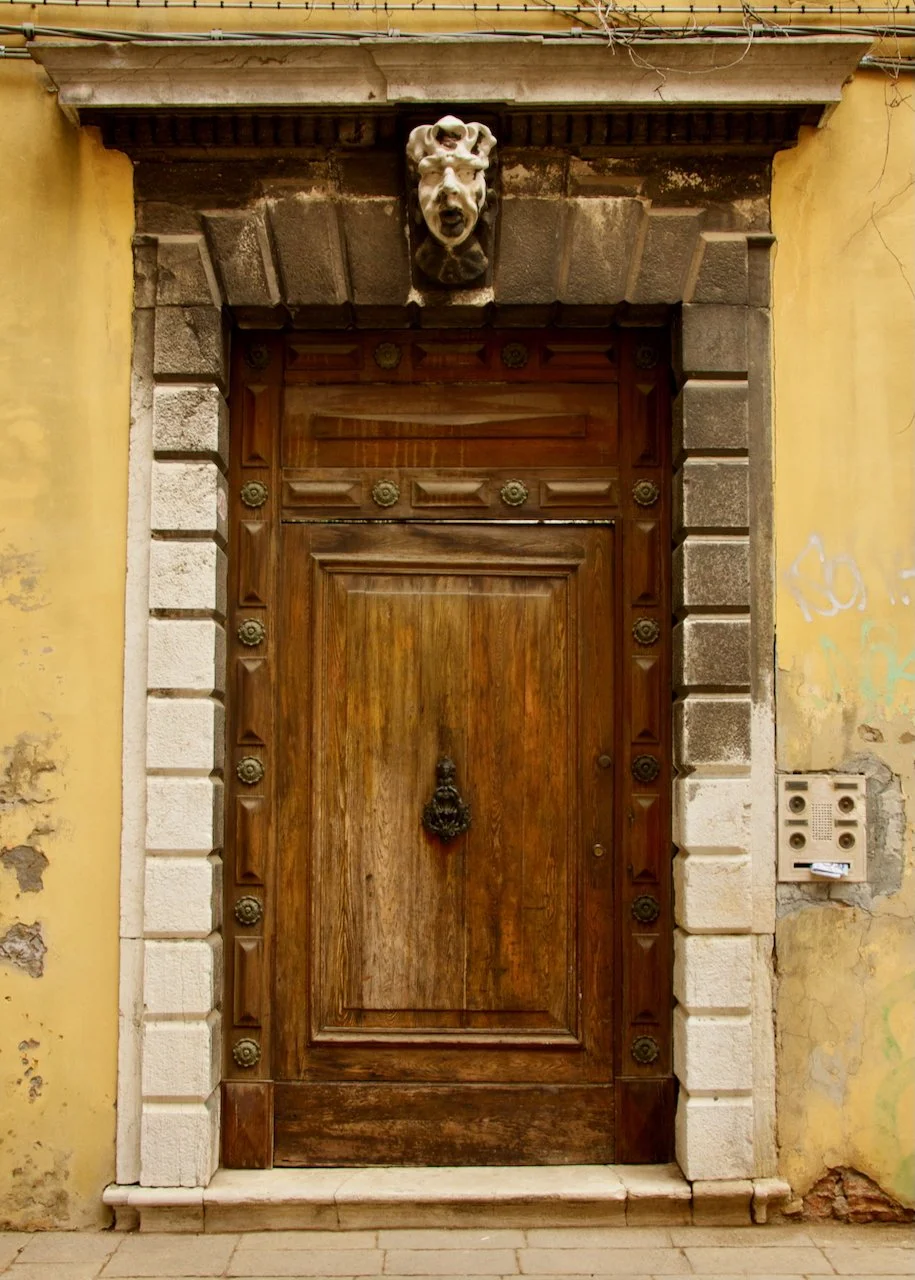
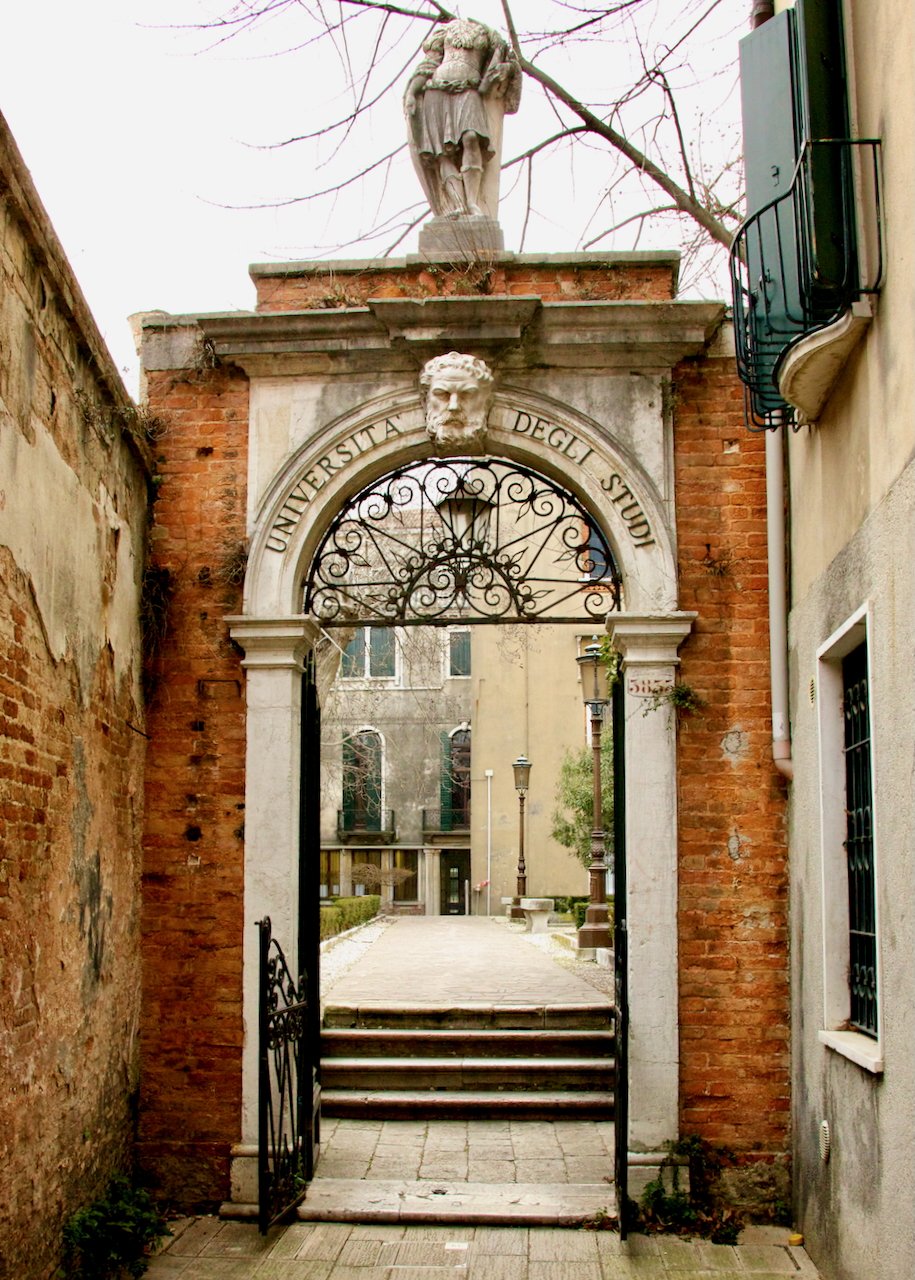
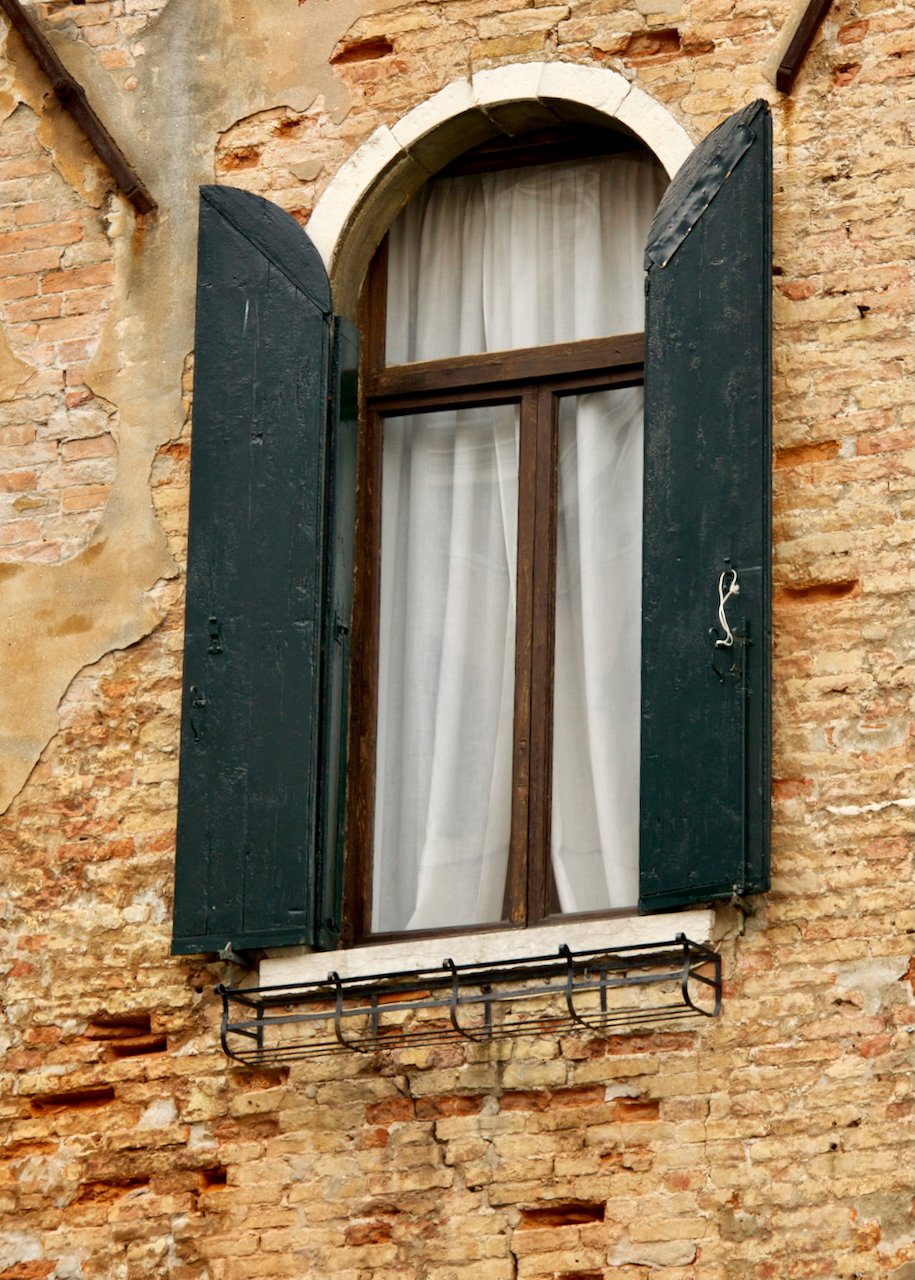
ABOVE/BELOW: A few snapshots from my cold morning walks along the streets of Venice.






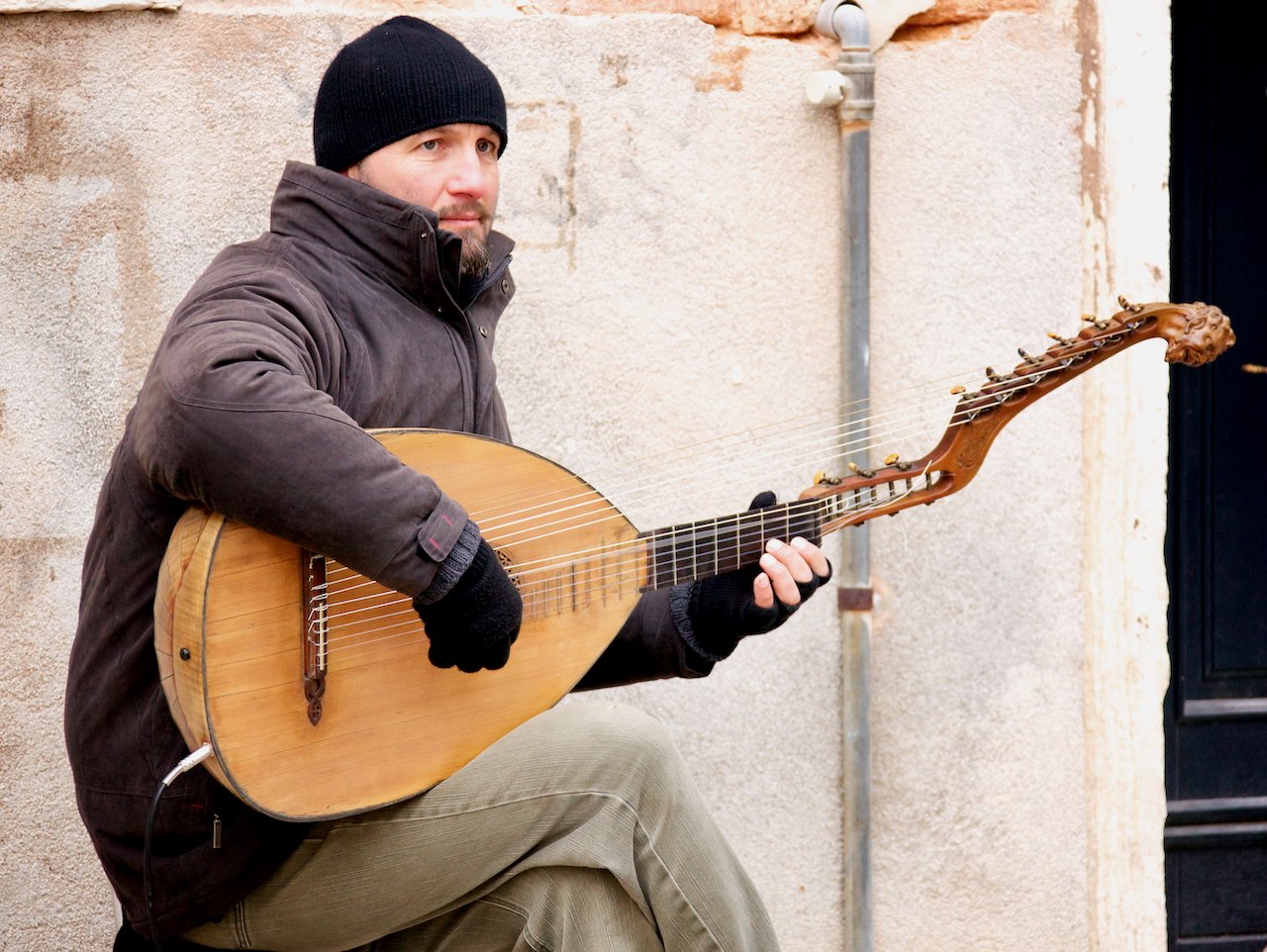
BELOW: The musician in the image is playing a theorbo, a long-necked lute from the Renaissance and Baroque periods. The theorbo was popular in the 16th to 18th centuries for basso continuo and solo performances.
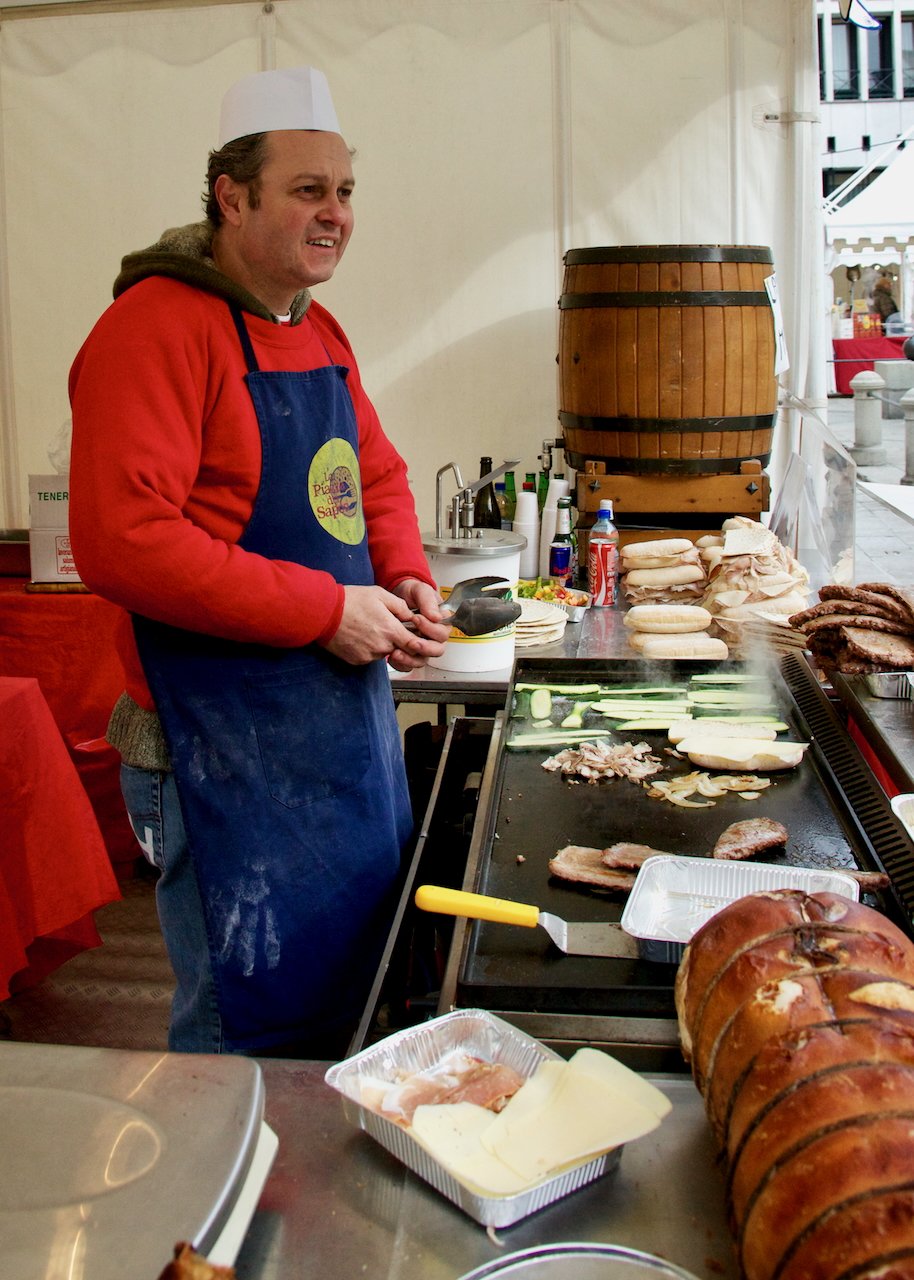
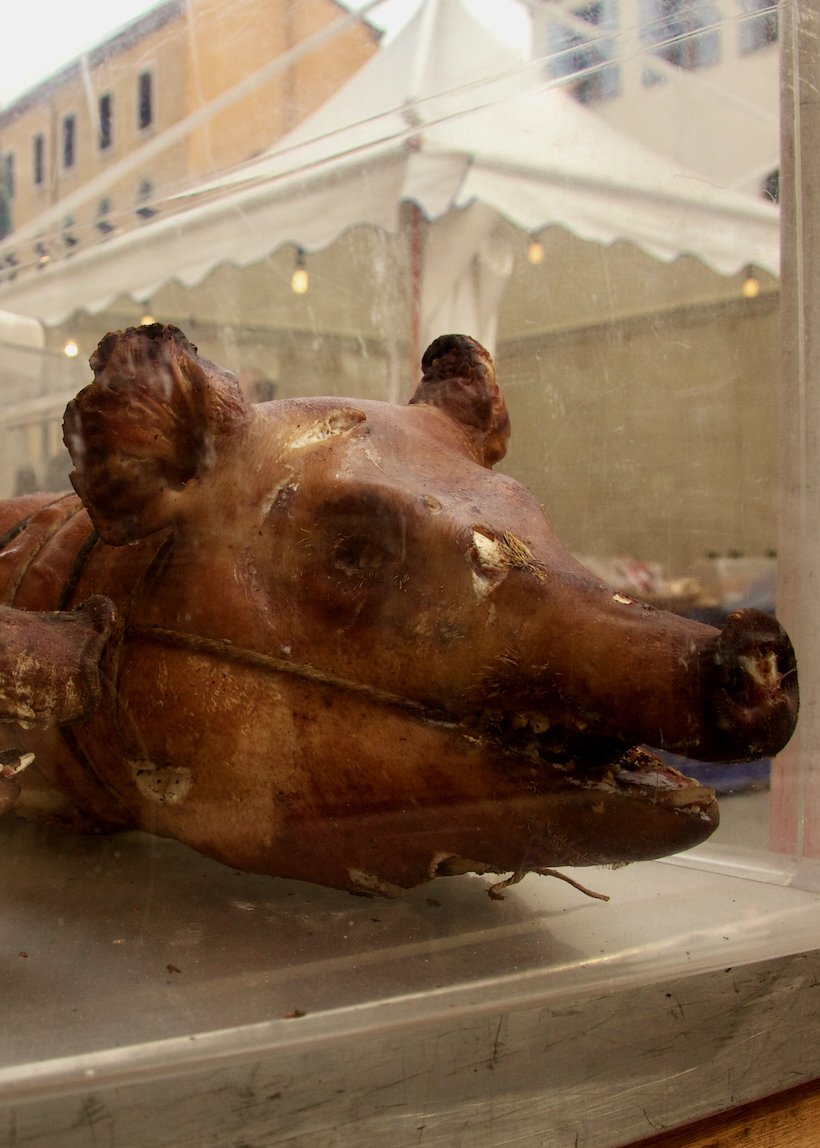
BELOW: I had a chance to visit the Rialto Market during one of my walks and ate a tasty “panino con porchetta” masterfully prepared by Giovani. That sandwich alone is worth the trip back to the city.